
HAZARDOUS CARGO COMPLIANCE
Hazardous Cargo Logistics for Safe and Compliant Cross-Border Shipping
Better Freight supports hazardous cargo transport through classification review, export documentation, regulatory coordination, and compliant freight planning across ASEAN trade routes.
Send your SDS, UN number, packing group, origin, destination, and shipment volume for an initial review by our team.
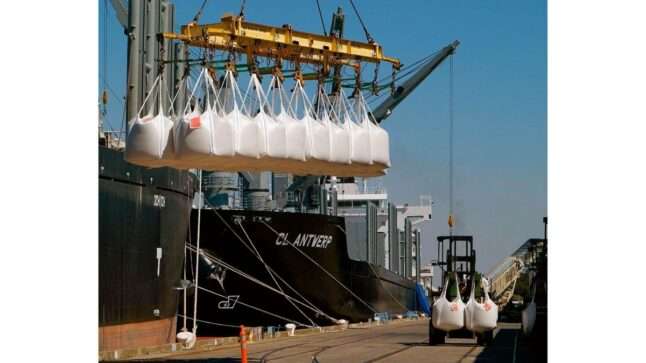

What Is Hazardous Cargo?
Understanding Dangerous Goods in Logistics
Introduction
Hazardous cargo, also known as dangerous goods, refers to materials or substances that pose a risk to health, safety, property, or the environment during transportation.
In global logistics, handling hazardous cargo requires strict compliance with international regulations, proper documentation, and specialized transport methods. Businesses dealing with chemicals or regulated goods must ensure their shipments are classified and handled correctly to avoid delays, penalties, or safety risks.
Shipping hazardous cargo?
Better Freight helps businesses ensure full compliance, safe handling, and smooth cross-border transport.
Request a Quote
What Is Hazardous Cargo?
Hazardous cargo includes any material that can cause harm during transport. These may be flammable, toxic, corrosive, explosive, or environmentally hazardous substances.
International regulations such as the IMDG Code (for sea transport) and IATA Dangerous Goods Regulations (for air transport) define how these goods must be handled, packed, and transported.
Why Hazardous Cargo Requires Special Handling
Unlike general cargo, hazardous goods present higher risks. Improper handling can lead to serious incidents such as:
- Fire or explosion
- Chemical leakage
- Environmental contamination
- Health risks to workers and the public
Because of these risks, strict safety measures must be followed at every stage of the logistics process.
Hazardous Cargo Classification
Hazardous materials are classified into nine categories based on the type of risk they present:
- Class 1: Explosives
- Class 2: Gases
- Class 3: Flammable liquids
- Class 4: Flammable solids
- Class 5: Oxidizing substances
- Class 6: Toxic and infectious substances
- Class 7: Radioactive materials
- Class 8: Corrosive substances
- Class 9: Miscellaneous dangerous goods
Each class has specific requirements for packaging, labeling, and transportation.
Not sure how to classify your cargo?
Our team helps verify hazard classification and ensure compliance before shipment.
Talk to Our Experts
Key Documents for Hazardous Cargo Shipping
Shipping hazardous cargo requires accurate and complete documentation. The most important documents include:
- Dangerous Goods Declaration (DGD)
- Safety Data Sheet (SDS / MSDS)
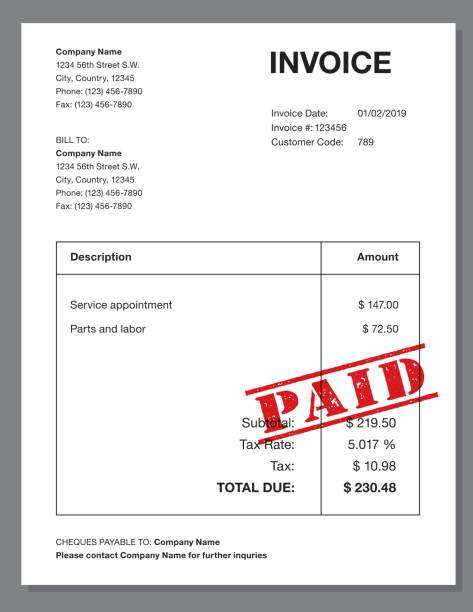
- Commercial Invoice
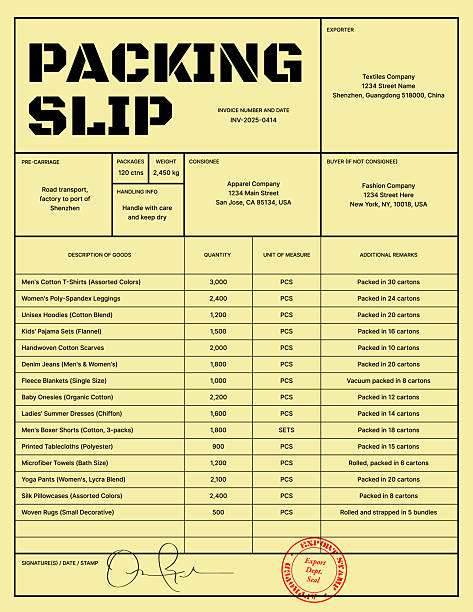
- Packing List
- Bill of Lading
Incorrect documentation is one of the most common causes of shipment delays.
Packaging and Labeling Requirements
Hazardous cargo must be packed using approved materials and labeled correctly. Requirements include:
- UN-approved packaging
- Hazard labels and symbols
- Proper shipping name and UN number
- Handling instructions
These measures ensure that cargo is handled safely throughout the transportation process.
Common Challenges in Hazardous Cargo Shipping
Businesses often face challenges such as:
- Incorrect classification
- Missing documents
- Non-compliant packaging
- Different regulations across countries
These issues can lead to delays, fines, or cargo rejection.
How Freight Forwarders Help
Experienced freight forwarders play a key role in handling hazardous cargo. They support businesses by:
- Verifying classification
- Preparing documents
- Coordinating with carriers and authorities
- Ensuring compliance with regulations
Working with experts reduces risks and improves efficiency.
Conclusion
Hazardous cargo is a critical part of global trade, especially for industries such as chemicals and manufacturing. Proper classification, documentation, and handling are essential to ensure safe and compliant transportation.
Businesses that manage hazardous cargo correctly can avoid costly mistakes and maintain a reliable supply chain.
Need Expert Support for Hazardous Cargo?
Better Freight provides complete solutions for dangerous goods, including compliance, documentation, and international shipping.
Get a Quote
Explore Hazardous Cargo Services
✔ Full compliance
✔ Safe handling
✔ ASEAN expertise
Common Dangerous Goods Classes
Flammable Liquids
Materials that can ignite easily during transport and require controlled handling and proper packaging.
Corrosive Materials
Substances that may damage containers, equipment, or skin require careful storage and transport conditions.
Oxidizing Substances
Cargo that may intensify fire risks and must be handled with strict safety and segregation procedures.
Toxic Chemicals
Chemical cargo that may pose health risks during handling and transportation if not properly controlled.
Requirements for Shipping Hazardous Cargo
- Proper cargo classification
- Safety packaging
- Safety packaging
- Hazard labels
- Shipping documentation
Safety Data Sheet
Commercial Invoice
Packing List
TRANSPORT PROCESS
Cargo Classification
Review cargo details and identify safety requirements before shipment.
Documentation Review
Check shipping documents to ensure compliance with international regulations.
Freight Coordination
Arrange the most suitable freight transport based on cargo requirements.
Delivery
Cargo is transported and delivered efficiently to the destination.
FAQ
What is hazardous cargo?
Hazardous cargo refers to goods that pose a risk to health, safety, property, or the environment during transportation.
These materials may be flammable, toxic, corrosive, explosive, or reactive, and therefore require special handling, packaging, labeling, and documentation.
Common examples of hazardous cargo include:
- Chemicals (industrial and laboratory)
- Flammable liquids (fuel, solvents)
- Gases (compressed or liquefied)
- Batteries (especially lithium batteries)
- Corrosive substances (acids, alkalis)
Hazardous cargo is regulated internationally to ensure safe transport by sea, air, road, and rail.
👉 In logistics, improper handling of hazardous cargo can lead to serious accidents, legal penalties, and shipment delays.
How are dangerous goods classified?
Dangerous goods are classified according to international regulations such as the UN classification system and the IMDG Code (for sea transport).
They are divided into 9 hazard classes:
Class 1: Explosives
Materials that can explode (e.g., fireworks, ammunition)
Class 2: Gases
Compressed, liquefied, or dissolved gases (e.g., propane, oxygen)
Class 3: Flammable Liquids
Liquids that can ignite easily (e.g., gasoline, alcohol)
Class 4: Flammable Solids
Easily combustible materials (e.g., sulfur, matches)
Class 5: Oxidizing Substances & Organic Peroxides
Materials that support combustion (e.g., hydrogen peroxide)
Class 6: Toxic & Infectious Substances
Poisonous or disease-causing materials
Class 7: Radioactive Materials
Substances emitting radiation
Class 8: Corrosive Substances
Materials that damage skin or metals (e.g., acids)
Class 9: Miscellaneous Dangerous Goods
Other hazardous materials (e.g., lithium batteries, dry ice)
👉 Each shipment is assigned a UN Number and Proper Shipping Name for identification.
What documents are required for hazardous cargo shipping?
Shipping hazardous cargo requires strict documentation to comply with international and local regulations.
Core required documents:
1. Dangerous Goods Declaration (DGD)
- Official declaration of the cargo’s hazard classification
- Must be completed and signed by the shipper
2. Material Safety Data Sheet (MSDS / SDS)
- Provides detailed safety and handling information
- Required for classification and emergency response
3. Packing List
- Details of contents, packaging type, and quantities
4. Commercial Invoice
- Declares cargo value and transaction details
5. Bill of Lading (B/L)
- Transport contract and proof of shipment