
EXPORT DOCUMENTATION SUPPORT
Accurate Export Documentation for Faster Customs Clearance
Better Freight supports exporters with complete documentation preparation, review, and coordination to ensure smooth customs clearance and compliant international shipping.
Send your invoice, packing list, HS code, and shipment details for document review.
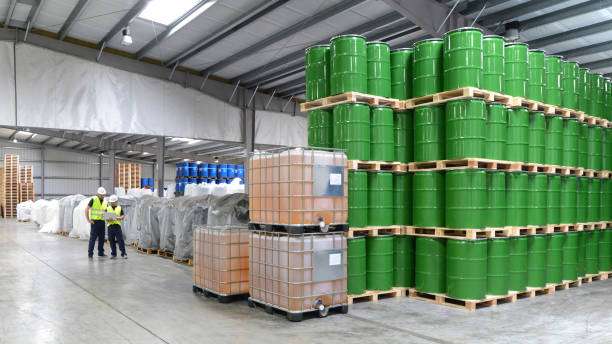

Why Export Documentation Is Important
Understanding the Role of Accurate Documents in International Trade
Introduction
Export documentation is one of the most critical elements in international shipping and logistics. Every shipment that crosses borders must be supported by accurate and complete documents to ensure smooth customs clearance, correct duty calculation, and successful delivery.
Many businesses underestimate the importance of export documentation, focusing instead on transportation and pricing. However, even a small mistake in documentation can lead to shipment delays, additional costs, or legal issues.
In today’s complex global trade environment, proper documentation is not just a requirement—it is a key factor in maintaining efficiency, compliance, and customer satisfaction.
Need help preparing export documents?
Better Freight supports businesses with accurate documentation, customs coordination, and smooth international shipping.
Request a Quote
What Is Export Documentation?
Export documentation refers to the set of documents required to move goods from one country to another. These documents provide detailed information about the shipment, including the nature of goods, value, origin, destination, and terms of sale.
They are used by customs authorities, carriers, banks, and buyers to verify and process the shipment.
Without proper documentation, goods cannot legally leave the country or be cleared at the destination.
Key Export Documents
Although requirements vary depending on the shipment, the most common export documents include:
Commercial Invoice
This document provides details of the transaction between the buyer and seller, including product description, value, quantity, and payment terms.
Packing List
It outlines how the goods are packed, including the number of packages, weight, and dimensions.
Bill of Lading (B/L)
A transport document issued by the carrier, serving as proof of shipment and contract of carriage.
Certificate of Origin (CO)
Confirms the country where the goods were manufactured, often required for tariff purposes.
Export Declaration
Submitted to customs authorities to declare the shipment and ensure compliance with regulations.
Safety Data Sheet (SDS) (if applicable)
Required for chemical or hazardous goods to ensure safe handling and transport.
Why Export Documentation Is Important
Export documentation plays several critical roles in international trade:
1. Ensures Smooth Customs Clearance
Customs authorities rely on accurate documentation to assess duties, verify compliance, and approve shipments. Errors can result in inspections, delays, or rejection.
2. Prevents Delays and Disruptions
Incomplete or incorrect documents are one of the main causes of shipping delays. Proper documentation helps shipments move efficiently across borders.
3. Supports Legal Compliance
Export regulations vary by country. Documentation ensures that shipments comply with all legal and regulatory requirements.
4. Facilitates Payment and Trade Finance
In many cases, banks require specific documents (such as invoices and bills of lading) to process payments under trade finance agreements.
5. Protects Against Disputes
Clear and accurate documentation helps prevent misunderstandings between buyers and sellers regarding shipment details.
Want faster customs clearance and fewer delays?
Our team helps businesses prepare accurate export documents and manage compliance efficiently.
Talk to Our Team
Common Mistakes in Export Documentation
Many businesses encounter problems due to simple but critical errors:
Incorrect HS Code classification
Mismatch between the invoice and the packing list
Missing signatures or stamps
Incorrect shipment value
Incomplete consignee details
Even small discrepancies can trigger customs inspections or delays.
Impact of Incorrect Documentation
Incorrect export documentation can lead to serious consequences:
Shipment Delays
Customs may hold the shipment for verification or inspection.
Additional Costs
Businesses may face storage charges, demurrage fees, or re-documentation costs.
Legal Penalties
Incorrect declarations may result in fines or penalties from authorities.
Cargo Rejection
In severe cases, shipments may be rejected or returned to the origin.
Special Considerations for Chemical and Regulated Cargo
For chemical shipments and hazardous goods, documentation requirements are even stricter.
Businesses must ensure:
Accurate classification
Proper Safety Data Sheets (SDS)
Compliance with international regulations
Working with experienced logistics providers is essential to avoid risks.
How Freight Forwarders Help
Freight forwarders play a key role in managing export documentation. They assist businesses by:
Verifying document accuracy
Preparing required paperwork
Coordinating with customs authorities
Ensuring compliance with regulations
This reduces the risk of delays and improves overall efficiency.
Conclusion
Export documentation is a fundamental part of international trade. It ensures that shipments comply with regulations, move efficiently through customs, and reach their destination without issues.
Businesses that prioritize accurate documentation can avoid costly mistakes, reduce delays, and build more reliable supply chains.
In a competitive global market, strong documentation practices are not just an operational requirement—they are a strategic advantage.
Need Support with Export Documentation?
Better Freight provides complete assistance with export documents, customs clearance, and international shipping across Southeast Asia.
Get a Quote
Explore Export Documentation Services
✔ Accurate documents
✔ Faster clearance
✔ Reduced risk
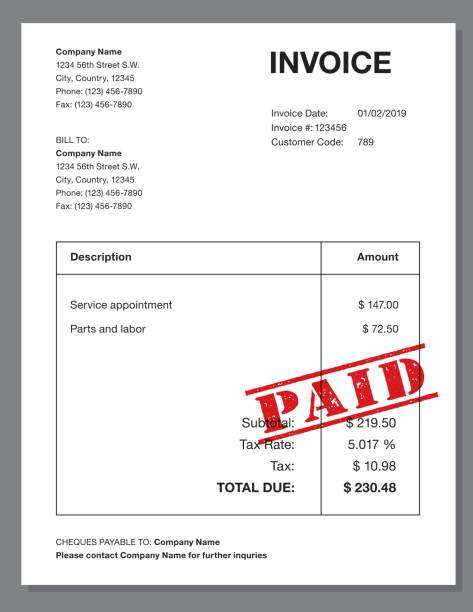
Commercial Invoice
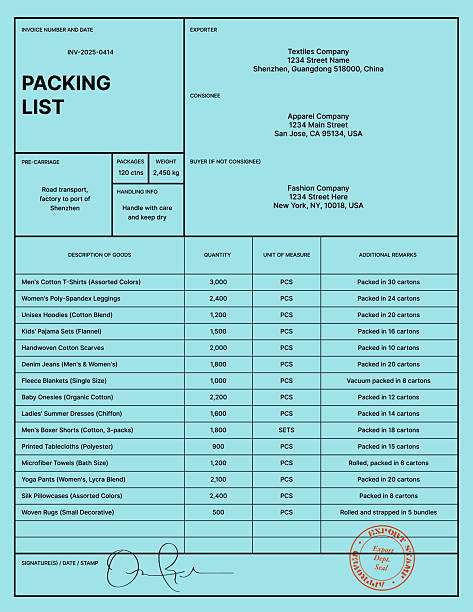
Packing List
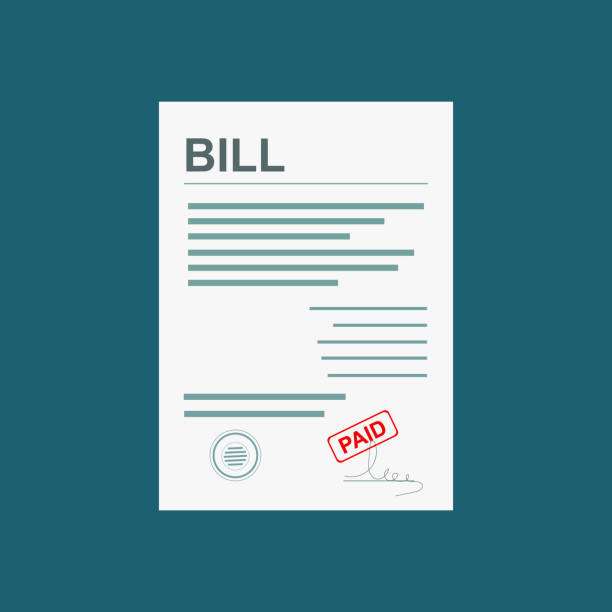
Bill of Lading
Export Declaration
Common Export Documentation Errors
- Incorrect cargo description
- Missing shipping documents
- Incorrect invoice values
- Incorrect consignee details
FAQ Questions
What documents are required for export shipping?
The required export documents depend on the type of goods, destination country, and shipping method. However, the most commonly required documents include:
Core Documents
- Commercial Invoice
Provides details of the transaction, including buyer, seller, value, and product description. - Packing List
Shows how goods are packed, including weight, dimensions, and number of packages. - Bill of Lading (B/L)
A key transport document issued by the carrier as proof of shipment. - Export Declaration
Submitted to customs authorities to declare the export of goods.
What is a bill of lading?
- Certificate of Origin (CO) – Confirms the origin of goods
- MSDS / SDS – Required for chemical or hazardous cargo
- Import/Export Licenses – For controlled goods
- Insurance Certificate – If cargo insurance is arranged
- Inspection Certificate – Required in some countries
What happens if export documents are incorrect?
A Bill of Lading (B/L) is one of the most important documents in international shipping. It serves three key functions:
1. Receipt of Goods
It confirms that the carrier has received the cargo in good condition.
2. Contract of Carriage
It acts as a contract between the shipper and the carrier for transporting goods.
3. Document of Title
It represents ownership of the cargo and can be used to transfer ownership.
Types of Bill of Lading
- Original B/L – Required for cargo release
- Telex Release – Electronic release, faster and more convenient
- Sea Waybill – No original required, used for trusted parties
Why It Matters
Without a valid Bill of Lading, cargo cannot be released at the destination.
What happens if export documents are incorrect?
Incorrect export documents can lead to serious consequences, including:
Shipment Delays
Customs may hold or inspect the cargo, causing delays.
Additional Costs
- Storage charges
- Demurrage/detention fees
- Re-documentation costs
Legal & Compliance Risks
Incorrect declarations may result in:
- Fines or penalties
- Shipment rejection
- Blacklisting in severe cases
Cargo Issues
- Cargo may be returned to the origin
- Delivery may be refused by the consignee
- Incorrect duties or taxes applied
Real-World Insight
Even small errors (e.g., wrong HS Code, incorrect weight, or mismatched invoice details) can disrupt the entire shipment process.
Final Advice
Accurate documentation is critical for smooth export operations.
Working with experienced freight forwarders can help ensure compliance, reduce risks, and avoid costly delays.
<div class=”blog-end-cta”>
<h3>Need Help with Export Documentation?</h3>
<p>Better Freight provides complete support for export documents, customs clearance, and international shipping.</p>
<p>
<a href=”/contact/” class=”button primary”>Get Expert Support</a>
<a href=”/services/export-documentation/” class=”button secondary”>Learn More</a>
</p>
<p style=”font-size:13px;color:#666;”>✔ Accurate documents | ✔ Faster clearance | ✔ Reduced risk</p>
</div>